There’s this myth that budget travel automatically means uncomfortable travel — bad hostels, cramped buses, skipping meals to save a few rupees. It doesn’t have to be that way, honestly. These budget travel tips come from years of stretching trip budgets while still actually enjoying myself, not just surviving the trip.
I used to think saving money meant suffering a bit. Then I realized the smartest budget travelers I met weren’t sacrificing comfort at all — they were just spending strategically.
Redefine What “Budget” Actually Means
Featured snippet answer: Effective budget travel doesn’t mean cutting all spending equally — it means spending strategically, cutting costs on things that don’t matter to you (like fancy hotels) while spending a bit more on experiences that genuinely do, like a special meal or activity.
Accommodation — Where Most Budget Gets Wasted
- Book hostels with private rooms if dorm life isn’t for you — often still cheaper than hotels
- Consider guesthouses over branded hotels — usually more character, lower price
- Look into home-swaps or house-sitting for longer trips, genuinely free accommodation if you’re flexible
- Book accommodation with kitchen access to cut food costs significantly over a week
Food — Eat Well Without Overspending
Street food and local eateries, not tourist-zone restaurants, is where the real savings and often the better food happens. Picture two restaurants side by side in any tourist area — one with an English menu and photos, one without. The second one is almost always cheaper and better.
Quick tip: Ask locals or your accommodation host where they actually eat, not where they’d send tourists.
Transport — The Biggest Budget Lever
- Book flights during optimal windows [link to related guide: Best Time to Book Flights for Lowest Fares here]
- Use local public transport instead of taxis or private cars wherever safe and practical
- Consider overnight buses or trains for longer distances — saves a night’s accommodation too
- Walk more — genuinely one of the best ways to actually experience a place, and it’s free
Activities — Free and Low-Cost Experiences Exist Everywhere
- Free walking tours (tip-based) exist in most major cities worldwide
- Museums often have free entry days or hours — worth checking before paying full price
- Nature and outdoor activities (hiking, beaches, parks) cost nothing but deliver a lot
- Local markets offer genuine cultural experience without any entry fee
When to Actually Spend More
Not every cost should be cut. A few splurges, chosen deliberately, make a budget trip feel considerably richer:
- One really good meal at a well-reviewed local restaurant
- A specific bucket-list activity (diving certification, a particular trek, a cultural show)
- Comfortable transport for genuinely long or overnight journeys
Building a Realistic Budget Before You Go
Break your trip budget into categories — accommodation, food, transport, activities, and a buffer for the unexpected (always include this, seriously). A rough 40-25-20-10-5% split across these categories works reasonably well as a starting framework.
[link to related guide: Backpacking Guide to Southeast Asia on a Budget here]
Common Budget Travel Mistakes
- Under-budgeting for the buffer category — something unexpected always comes up
- Overspending in the first few days out of excitement, then scrambling later in the trip
- Ignoring local transport apps and defaulting to tourist-priced taxis out of convenience
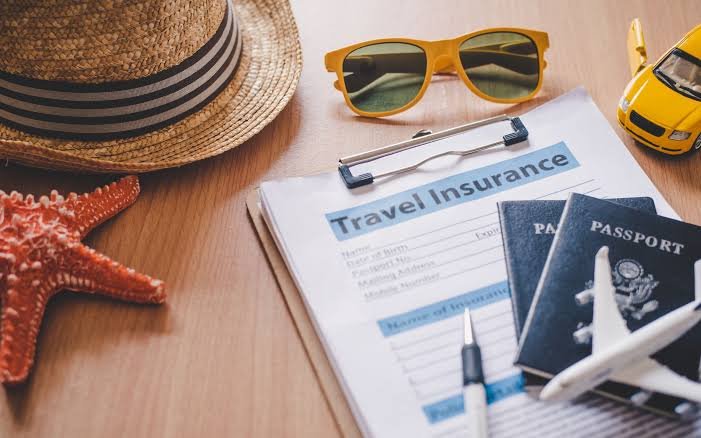
- Skipping travel insurance to save money — a genuinely risky trade-off
Final Thoughts
Budget travel done well doesn’t feel like a compromise at all — it just means being intentional about where your money goes. Cut costs on what doesn’t matter to you personally, and don’t feel guilty spending a bit more on what does.
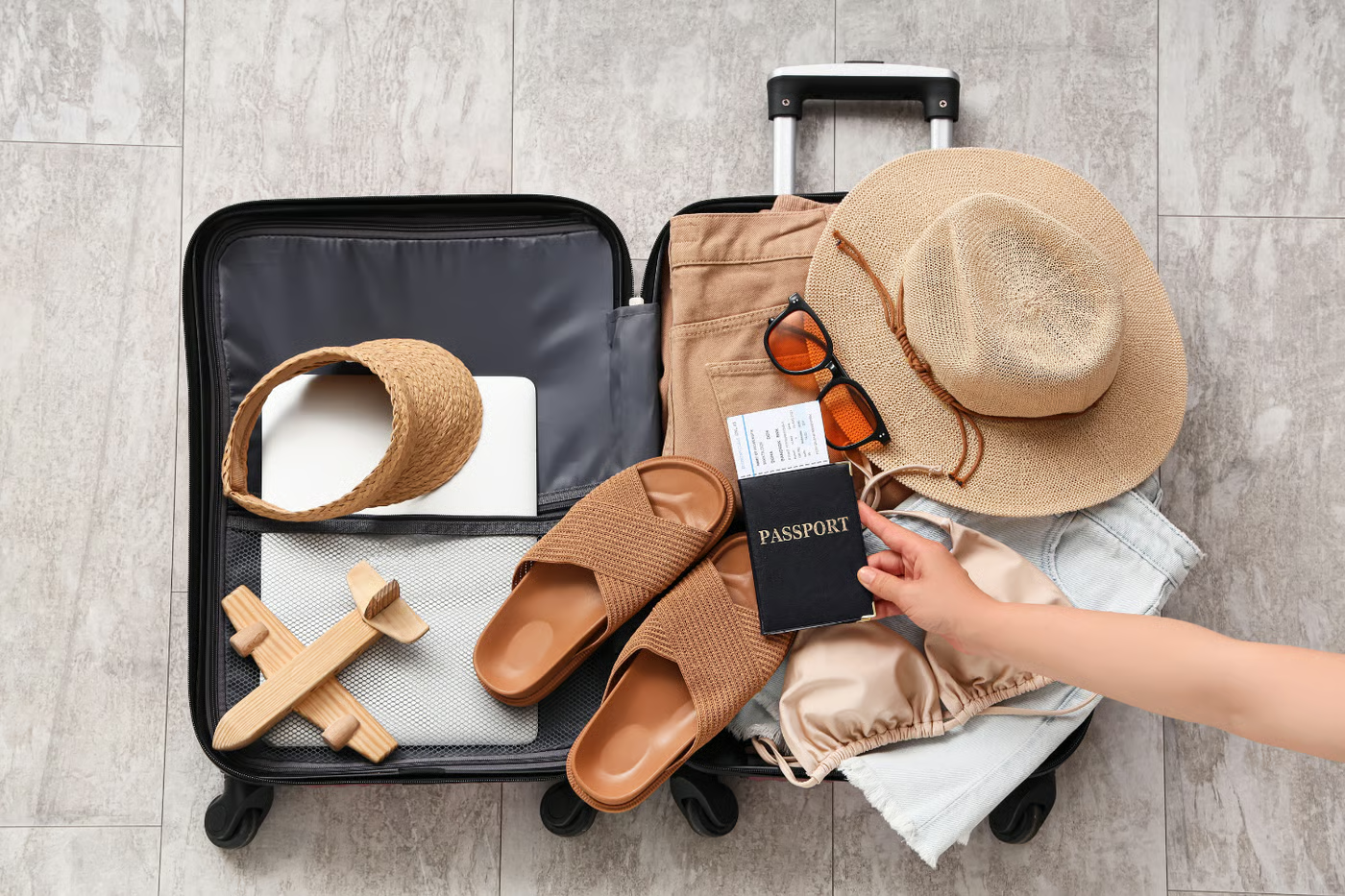
[link to related guide: Essential International Travel Packing List here]
FAQs
Q1. Can you travel comfortably on a tight budget? Yes, absolutely — comfort comes from smart choices, not necessarily from spending more money.
Q2. What’s the biggest expense category to cut for budget travel? Accommodation typically offers the most room for savings without significantly affecting trip quality.
Q3. Is street food safe for budget travelers? Generally yes, especially at busy stalls with high turnover — a good sign of freshness and popularity.
Q4. How much should I budget for unexpected expenses? A 10% buffer of your total trip budget is a reasonable starting point for most trips.
Q5. Are hostels only for young backpackers? No, many hostels now offer private rooms and cater to a much wider range of budget-conscious travelers.
Q6. Should I book everything in advance for a budget trip? A mix works best — book accommodation and major transport ahead, but leave some flexibility for local recommendations.