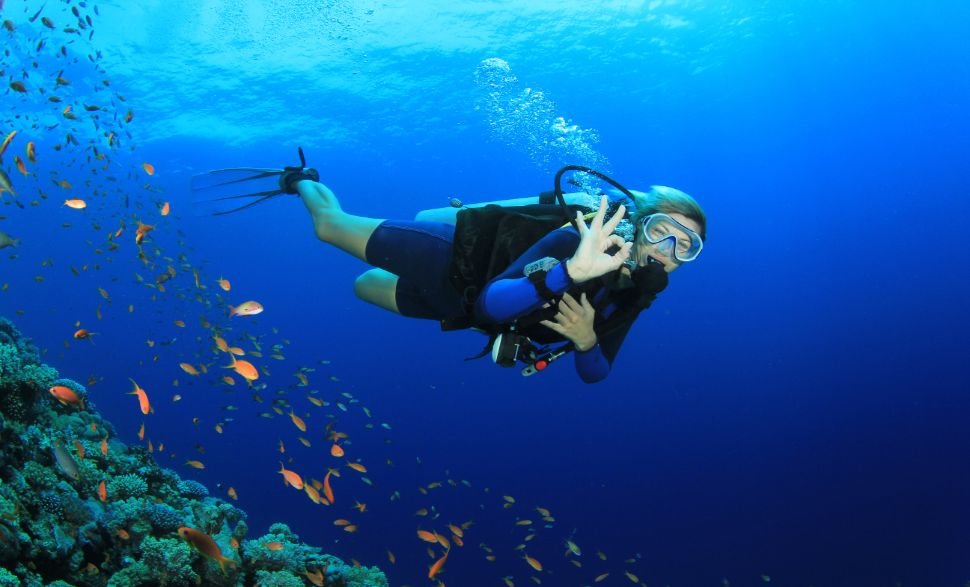
Most people don’t associate India with world-class diving, and honestly, that surprises me every time. The scuba diving spots in India rival plenty of more famous international destinations — coral reefs, shipwrecks, and marine biodiversity that genuinely holds up against places people fly halfway across the world for.
I got certified in the Andamans almost on a whim during a work trip extension, and it completely changed how I think about Indian travel. Underrated doesn’t even begin to cover it.
Why India’s Diving Scene Deserves More Attention
Featured snippet answer: The best scuba diving spots in India are located in the Andaman Islands, Lakshadweep, and Netrani Island off Karnataka, offering coral reefs, shipwrecks, and marine biodiversity comparable to more internationally famous diving destinations, often at a fraction of the cost.
Andaman Islands — India’s Premier Diving Destination
Havelock Island (Swaraj Dweep) is the epicenter, with dive sites like Aquarium and Lighthouse offering vibrant coral and reliable visibility for beginners. More experienced divers head to Barren Island, India’s only active volcano, for genuinely unique underwater terrain.
Certification cost: Around ₹18,000-25,000 for a full Open Water certification, including equipment.
Best season: November to April, when visibility peaks.
Lakshadweep — Untouched and Pristine
Lakshadweep sees far fewer tourists than the Andamans, partly due to restricted access requiring special permits for non-locals. The upside is diving conditions that feel genuinely untouched — pristine coral, minimal diver traffic, and marine life that hasn’t adjusted to constant human presence.
Quick tip: Book well in advance — permits and limited accommodation mean spontaneous trips here rarely work out.
Netrani Island, Karnataka
A lesser-known gem off the coast of Murudeshwar, Netrani offers surprisingly good visibility (15-20 meters on a good day) and a range of marine life including reef sharks and the occasional whale shark sighting during season.
Pondicherry — Convenient and Accessible
Not as visually spectacular as the Andamans, but genuinely convenient for divers based in South India who don’t want to commit to island-hopping logistics. Good for beginner certifications with reasonably consistent conditions.
Goa — Casual Diving, Easy Access
Goa’s diving isn’t the most dramatic in India, but its accessibility makes it a good starting point for absolute beginners wanting to try a discovery dive before committing to full certification elsewhere.
[link to related guide: Best Luxury Hotels in Goa Under ₹10,000 a Night here]
What Certification Do You Need to Start?
- Discovery/Try Dive — no certification needed, single supervised dive, good for testing interest
- Open Water Certification — entry-level cert, typically 3-4 days, allows independent diving up to 18 meters
- Advanced Open Water — builds on Open Water, adds deeper dives and specialty skills
Best Time to Dive in India
November through April covers most of India’s dive sites well, avoiding monsoon season when visibility drops significantly and rough seas make diving genuinely unsafe in many spots.
Safety Considerations for New Divers
- Always dive with a certified operator — check for PADI or SSI affiliation, not just any random shop
- Get a medical clearance if you have any pre-existing conditions, particularly respiratory or cardiac
- Don’t fly within 18-24 hours of your last dive — decompression sickness risk
- Ensure your travel insurance covers scuba diving — many standard policies exclude it by default
Budget for a Diving Trip
- Discovery dive: ₹3,000-5,000 for a single supervised dive
- Open Water certification: ₹18,000-25,000 including all equipment and course materials
- Fun dives (post-certification): ₹2,500-4,000 per dive depending on location
Final Thoughts
India’s scuba diving spots deserve a much bigger spotlight than they currently get. Whether you’re a complete beginner testing the waters (literally) or an experienced diver hunting for new sites, the Andamans, Lakshadweep, and lesser-known spots like Netrani offer genuinely world-class underwater experiences.
[link to related guide: Ultimate Guide to River Rafting in Rishikesh here]
FAQs
Q1. Which is the best place in India for beginner scuba divers? Havelock Island in the Andamans offers the best combination of beginner-friendly conditions and stunning marine life.
Q2. Do I need a permit to dive in Lakshadweep? Yes, special permits are required for non-local visitors, arranged through approved tour operators.
Q3. What is the best season for scuba diving in India? November to April offers the best visibility and calmest seas across most Indian dive sites.
Q4. How much does Open Water certification cost in India? Typically ₹18,000-25,000, including course materials, equipment rental, and certification fees.
Q5. Is scuba diving safe for beginners with no swimming experience? Basic swimming comfort is required; most certification courses include a swim test as part of the process.
Q6. Can I see whale sharks while diving in India? Yes, occasionally at Netrani Island and parts of the Andamans during peak season, though sightings aren’t guaranteed.