Regular sightseeing shows you a place. Attending a major festival there shows you what that place actually feels like when its people are celebrating. These cultural festivals to visit genuinely transform an ordinary trip into something you’ll talk about for years.
I timed a trip to Spain specifically around La Tomatina years ago, mostly on a whim, and it remains one of the most chaotic, joyful experiences of my travel life. Worth planning an entire trip around, honestly.
Why Plan Travel Around Festivals?
Featured snippet answer: Planning travel around major cultural festivals offers a deeper, more immersive experience than standard sightseeing, giving travelers direct access to local traditions, community celebration, and cultural context that’s simply not available outside festival periods.
Rio Carnival, Brazil
The world’s largest carnival celebration, spanning five days before Lent. Massive samba parades, elaborate costumes, and street parties (blocos) throughout the city make this genuinely overwhelming in the best possible way.
When: February-March (dates shift yearly based on Lent) Quick tip: Book accommodation 6+ months ahead — prices and availability get brutal closer to the dates.
Diwali, India
India’s Festival of Lights transforms cities overnight — homes decorated with diyas and rangoli, fireworks lighting up the sky, and a genuine sense of community celebration across the entire country simultaneously.
When: October-November (dates follow the lunar calendar)
Songkran, Thailand
Thai New Year, celebrated with what’s essentially a nationwide water fight. Bangkok and Chiang Mai in particular turn into massive street celebrations where getting completely soaked is the entire point.
When: April 13-15
Hanami (Cherry Blossom Season), Japan
Not a single-day festival exactly, but a weeks-long cultural period where entire cities gather in parks for hanami (flower viewing) picnics under blooming cherry trees.
When: Late March to early April, varying by region and year
Día de los Muertos, Mexico
Day of the Dead honors deceased loved ones through vibrant altars, marigold flowers, and elaborate skull-themed face painting. It’s celebratory rather than somber — a genuinely different cultural approach to remembering the dead than most Western traditions.
When: November 1-2
La Tomatina, Spain
An hour of pure chaos — an entire town throwing tomatoes at each other in the streets of Buñol. Started somewhat accidentally in 1945 and has become an internationally famous, if slightly absurd, celebration.
When: Last Wednesday of August
[link to related guide: Best Places to Visit in Europe on a Budget here]
Holi, India
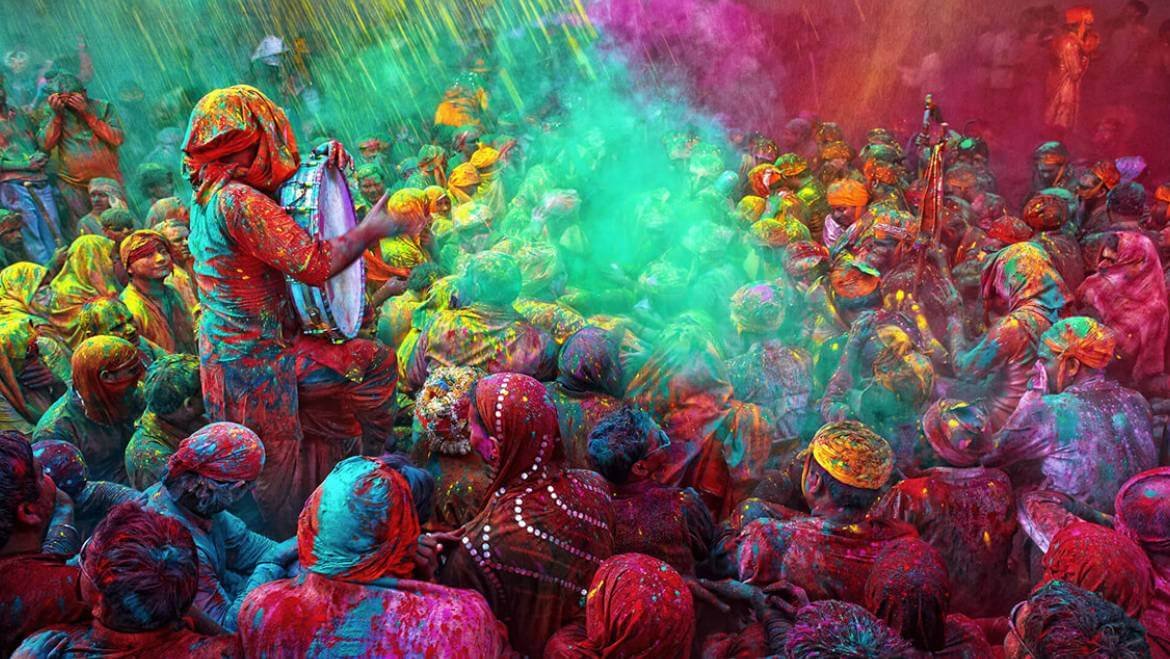
The Festival of Colors, celebrated with genuine abandon across North India particularly. Mathura and Vrindavan offer the most authentic, traditional experience, while Delhi and other major cities host more organized celebrations too.
When: March (dates follow the lunar calendar)
Practical Tips for Festival Travel
- Book accommodation extremely early — major festivals often see hotel prices double or triple
- Research local customs specific to the festival — some have particular etiquette around participation
- Protect your belongings and electronics — chaotic festivals like Songkran or Holi mean phones and cameras need waterproof protection
- Learn a bit of the cultural context beforehand — genuinely enhances the experience versus just showing up uninformed
Lesser-Known Festivals Worth Discovering
- Boryeong Mud Festival, South Korea — a genuinely fun, less crowded alternative to bigger festivals
- Up Helly Aa, Scotland — Viking-themed fire festival in the Shetland Islands, wonderfully niche
- Gion Matsuri, Kyoto — one of Japan’s oldest festivals, month-long celebration through July
Final Thoughts
These cultural festivals to visit offer something regular tourism genuinely can’t replicate — direct access to a place’s living traditions rather than just its historical monuments. Pick one that genuinely interests you, plan well ahead, and prepare for an experience that’s usually a little chaotic and completely worth it.
[link to related guide: Traditional Cuisines to Try When Visiting South India here]
FAQs
Q1. How far in advance should I book for major festivals like Rio Carnival? At least 6 months ahead, as accommodation fills up and prices increase significantly closer to the dates.
Q2. Is it safe to attend chaotic festivals like Holi or Songkran as a tourist? Generally yes, with basic precautions like protecting valuables and staying aware of your surroundings in crowds.
Q3. Do I need to dress a certain way for cultural festivals? It depends on the festival — research specific customs beforehand, as some have particular expectations around attire or participation.
Q4. Which cultural festival is best for a first-time festival traveler? Songkran or Holi are relatively accessible and welcoming entry points into festival travel.
Q5. Are these festivals free to attend? Most street celebrations are free, though certain events like Rio Carnival’s parade seating require paid tickets.
Q6. Can families with children attend these festivals? Some, like Diwali or Hanami, are very family-friendly; others, like La Tomatina or Rio Carnival, are better suited to adults.