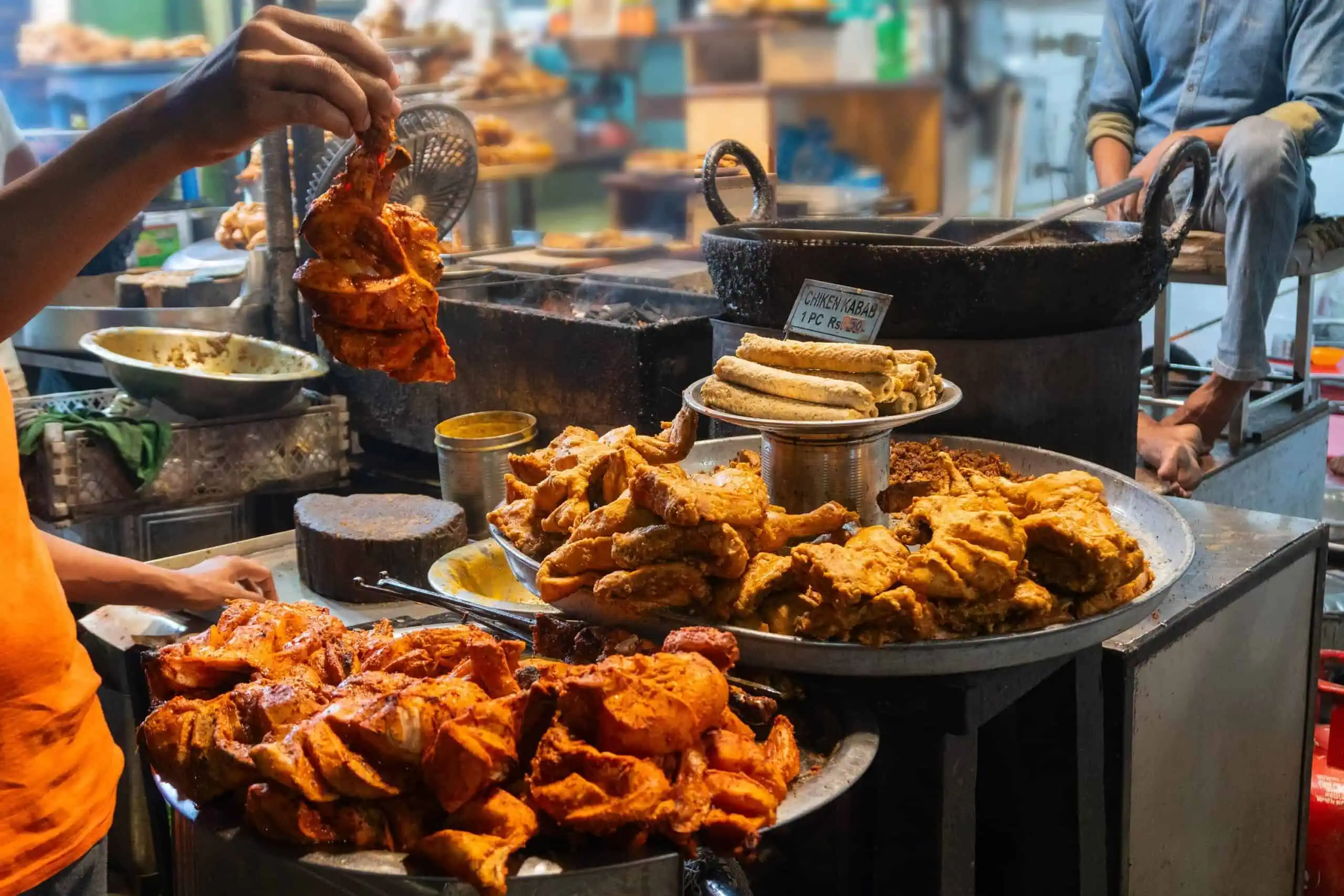
India’s street food scene isn’t really one thing — it’s dozens of distinct regional traditions, each fiercely defended by locals who insist their version is the only correct one. This Indian street food guide covers the essentials, region by region, because honestly, no single “best of India” list does justice to how varied this actually is.
I grew up eating pani puri from the same guy outside my school for years. Then I traveled around India and realized just how different — and equally good — the same basic concept looks depending on which state you’re in.
North India — Bold, Spicy, Chaat-Heavy
Featured snippet answer: North Indian street food is characterized by chaat-style dishes — spicy, tangy, and layered with chutneys — including pani puri, aloo tikki, and chole bhature, typically eaten as a snack rather than a full meal.
- Pani puri/golgappa — crispy shells filled with spiced water, potato, and chickpeas
- Aloo tikki chaat — crispy potato patties topped with yogurt and chutneys
- Chole bhature — spiced chickpea curry with fried bread, more of a full meal than a snack
- Paranthe wali gali food (Delhi specifically) — stuffed flatbreads with countless filling variations
West India — Mumbai’s Iconic Street Food Culture
Mumbai alone could fill an entire guide. Vada pav, often called India’s answer to the burger, is the city’s defining street food — a spiced potato fritter in a soft bun, usually with garlic chutney that has serious kick.
- Vada pav — the Mumbai essential, cheap and genuinely satisfying
- Pav bhaji — mashed vegetable curry with buttered bread rolls
- Bhel puri — puffed rice with tangy tamarind chutney, a lighter Mumbai beach classic
- Misal pav — spicy sprouted lentil curry, a Maharashtrian specialty worth seeking out specifically
South India — Fermented, Tangy, Coconut-Forward
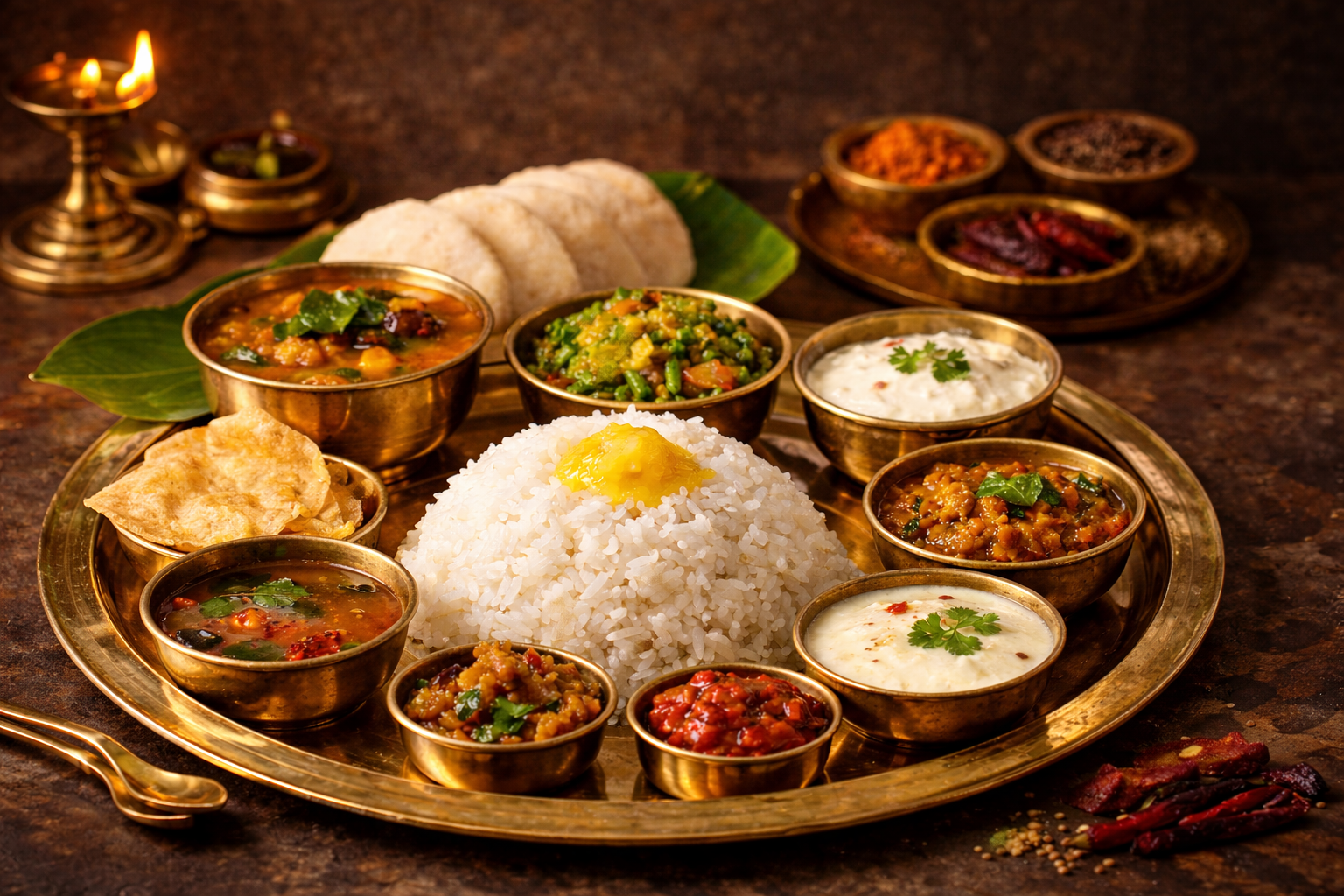
South Indian street food leans differently — less about layered chutneys, more about fermented batters and coconut-based flavors.
- Masala dosa — crispy fermented crepe with spiced potato filling
- Idli sambar — steamed rice cakes with lentil soup, a breakfast staple that works any time of day
- Mysore bonda — deep-fried lentil fritters, crispy outside, soft within
- Kothu parotta (specifically Tamil Nadu) — shredded flatbread stir-fried with egg, meat, or vegetables
East India — Sweet Meets Savory
- Kathi rolls (Kolkata) — flaky paratha wrapped around spiced meat or paneer filling
- Jhal muri — spiced puffed rice snack, similar in spirit to bhel puri but distinctly Bengali in flavor profile
- Momos — technically originating further north/northeast, but thoroughly adopted across Kolkata’s street food scene now
[link to related guide: Traditional Cuisines to Try When Visiting South India here]
Northeast India — Distinct and Underrated
Northeast Indian street food genuinely doesn’t get enough recognition nationally. Fermented flavors, bamboo shoot dishes, and pork preparations distinct from anywhere else in the country.
- Momos — genuinely originated in this region’s culinary tradition
- Thukpa — noodle soup, warming and hearty, especially good in colder months
- Bamboo shoot-based dishes — an acquired taste for some, but worth trying at least once
Street Food Safety Tips
- Choose stalls with high turnover — busy stalls mean fresher ingredients, less time for anything to sit around
- Watch how the food is prepared — a good sign is fresh cooking in front of you, not pre-made sitting under a heat lamp
- Carry hand sanitizer and use it before eating
- Start cautiously if you’re new to Indian street food — your gut needs time to adjust, particularly for visitors from abroad
Best Cities for a Street Food Crawl
- Mumbai — arguably India’s street food capital, dense and varied
- Delhi — particularly Chandni Chowk and Paranthe Wali Gali
- Kolkata — for the sweet-savory East Indian tradition
- Ahmedabad — genuinely underrated, incredible vegetarian street food scene
Final Thoughts
This Indian street food guide barely scratches the surface, honestly — every state, sometimes every city, has its own specific specialties worth seeking out. The best approach isn’t following a rigid list but just following your nose and the longest local queue you can find.
[link to related guide: Complete Rajasthan Travel Guide here]
FAQs
Q1. Is Indian street food safe for foreign tourists? Generally yes if you choose busy, high-turnover stalls and start gradually to let your stomach adjust.
Q2. What is the most popular street food in Mumbai? Vada pav is widely considered Mumbai’s signature street food, cheap and available almost everywhere.
Q3. Which Indian city has the best street food scene? Mumbai and Delhi are usually top contenders, though Kolkata and Ahmedabad deserve serious consideration too.
Q4. Is South Indian street food less spicy than North Indian? Not necessarily less spicy, just different in flavor profile — more tangy and coconut-forward versus North India’s chutney-heavy style.
Q5. What should first-time visitors try first? Pani puri and vada pav are good, accessible starting points that represent broader Indian street food traditions well.
Q6. Are momos actually an Indian street food? Originally from the Northeast/Tibetan-influenced regions, but now thoroughly adopted as street food across most major Indian cities.